


Embroidery isn’t just an art — it’s a powerful way to add value, style, and personality to apparel, accessories, and products. With modern technology, embroidery has gone far beyond hand stitching. Computerized embroidery now powers most custom patches, hats, jackets, uniforms, and branded merchandise you see today.
In this blog, we’ll walk you through what computerized embroidery is, how it works, and why it’s essential for businesses and creators — especially if you’re exploring custom patches with Aqua Patches.
What Is Computerized Embroidery?
At its core, embroidery means to embellish or decorate fabric using stitches, whether by hand or machine. Traditionally, embroidery was done manually, but today the most common form is computerized embroidery — where machines follow digital designs to produce precise, repeatable stitching.
How Computerized Embroidery Works: The Step-By-Step Process
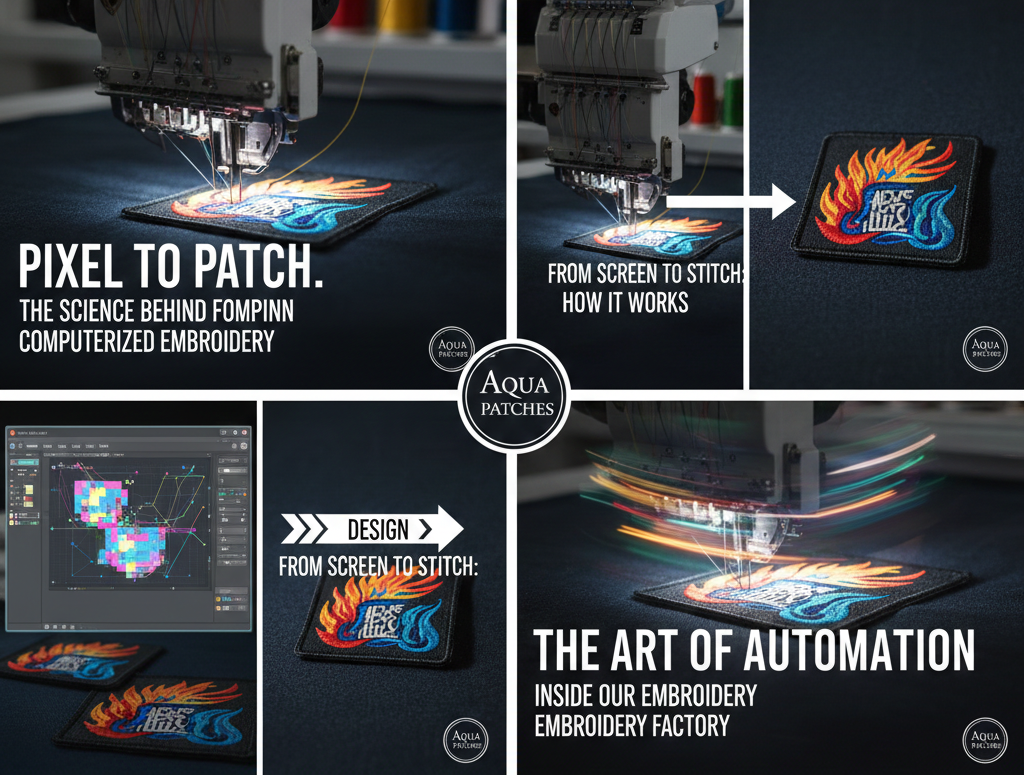
Computerized embroidery brings together digital design and mechanical precision. Here’s the basic workflow:
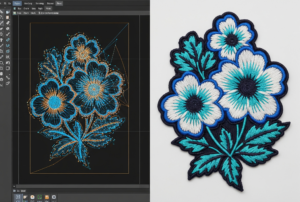
1. Digitizing the Design
Before any stitching happens, your artwork (logo, text, or image) is converted into a digital embroidery file using special software. This process — known as digitizing — tells the machine exactly where to stitch, what stitch types to use, which directions to follow, and how to handle thread colors.
Digitizing is one of the most important steps because a poor digitized design will still look poor even on the best machine.
2. Exporting the File
Once digitized, the design is saved in a format your embroidery machine understands — common formats include DST, PES, JEF, etc. This file holds thousands of X-Y coordinates that act like waypoints for where each stitch should land.
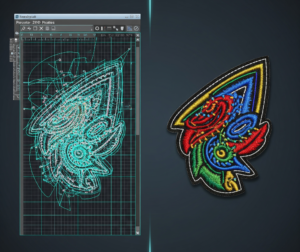
3. Loading Into the Machine
The design file is transferred to the machine — via USB, Wi-Fi, or direct software link. The machine reads these stitch commands and plots a path for the needle and fabric frame to follow.
4. Hooping & Preparing the Fabric
The fabric to be embroidered (shirt, patch base, bag, etc.) is secured tightly in a hoop or frame so it doesn’t shift during stitching. A stabilizer is often used underneath to keep the material firm and prevent distortions.
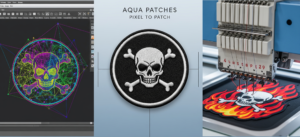
5. Machine Embroidery Begins
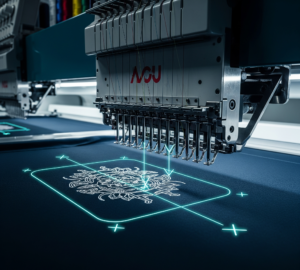
Once everything is set, the machine stitches automatically. Modern embroidery machines are computer-controlled and multi-needle, meaning they can switch thread colors and stitch types without stopping.
Industrial setups may stitch at hundreds to over a thousand stitches per minute, producing consistent, high-quality designs instantly.
Why Computerized Embroidery Is Better Than Hand Stitching
Unlike hand embroidery:
- Speed & Efficiency – Machine embroidery completes designs in minutes, not hours.
- Accuracy & Repeatability – Every piece comes out identical, perfect for batches.
- Complex Designs – Intricate patterns, gradients, logos, and text are easy to reproduce.
- Professional Results – Clean, crisp stitches make your custom patches look premium.
Key Components of Computerized Embroidery Machines
Here’s what makes these machines tick:
Digitizing Software
This software translates artwork into stitch commands — the language the machine understands.
Multi-Needle Heads
Industrial machines may have 6, 12, or more needles, each threaded with a different color. This allows machines to switch colors automatically without stopping.
Hoop & Stabilizer
Used to keep fabric secure, preventing puckering and ensuring smooth stitching.
Control Software & Motors
Servos and stepper motors drive the fabric in precise X-Y movements defined by the digitized pattern.
Conclusion: Embroidery Meets Technology
Today’s embroidery world is driven by computers just as much as thread and needles. From turning your ideas into machine-readable files to watching machines stitch hundreds of thousands of stitches with incredible precision, computerized embroidery is the backbone of modern textile decoration — and a key part of the custom patch industry.
Whether you’re new to custom patches or looking to expand your business with Aqua Patches, understanding this process gives you an edge in quality, speed, and creativity.
"Embroidery is not just a process; it's a 3D enhancement that adds physical value and tactile quality to every garment it touches."— The Aqua Digitizing Team